


Electro Mechanical Braking is on the rise - but can it cope with the Heat?
Electro-Mechanical Braking is set to transform vehicle design and autonomous driving. We explore the thermal challenges threatening EMB systems and the technologies helping overcome them.
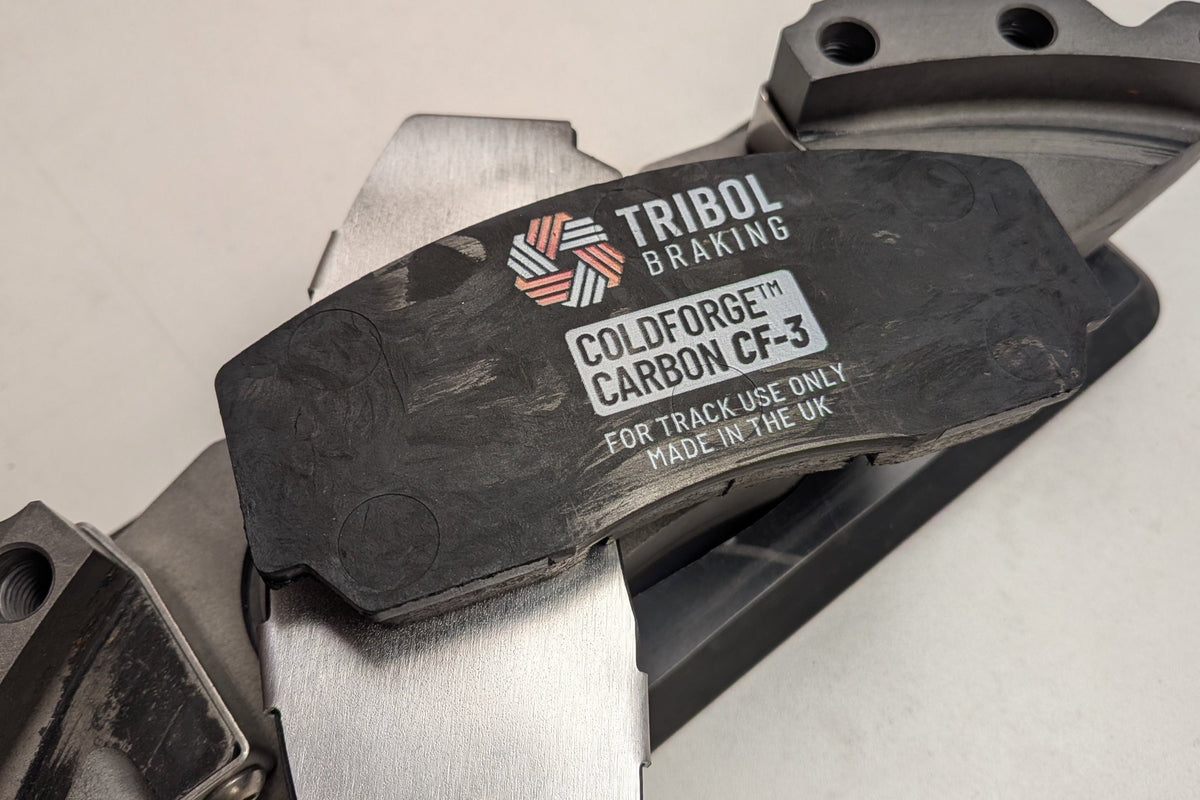
Composite brake pads deliver major benefits, but they interact differently with traditional caliper designs. Discover why steel shims remain an important part of achieving consistent performance a...
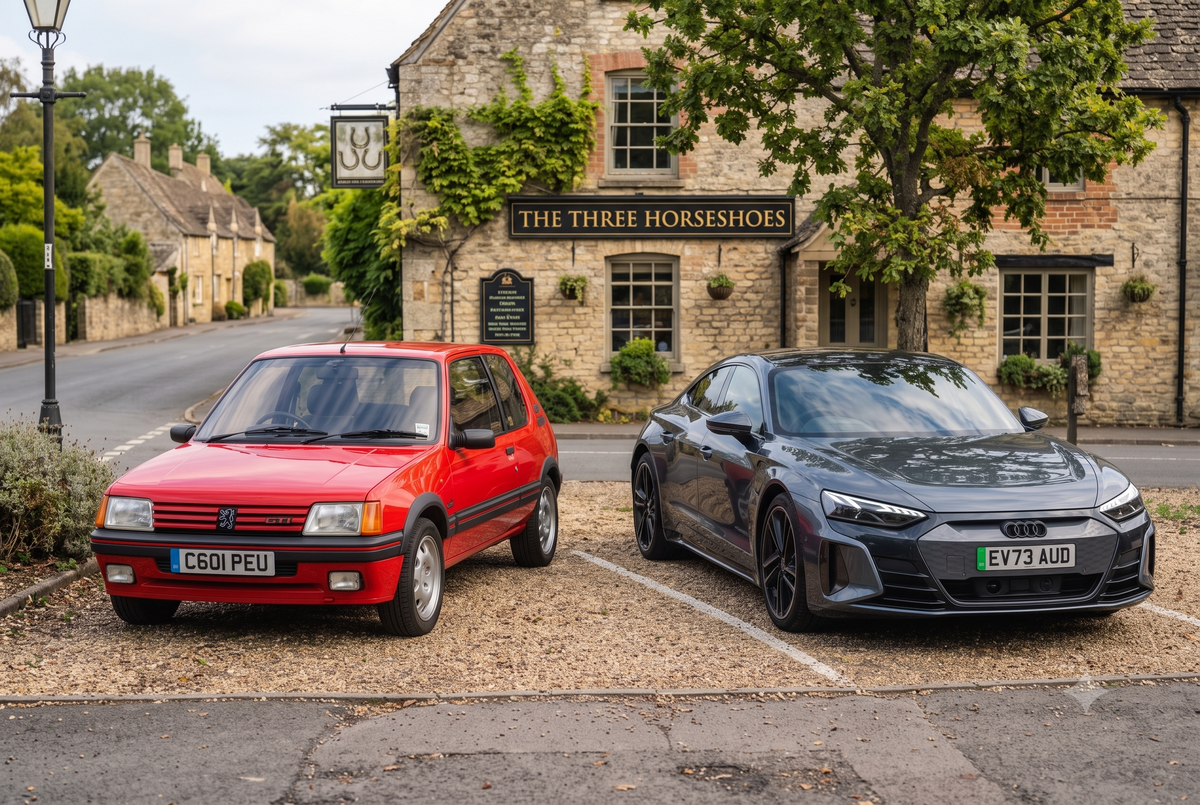
The Importance of Weight Saving in Car Design
Weight influences every aspect of vehicle performance, but where that weight sits is just as important as how much there is. Discover how lightweight brake components can improve grip, handling an...
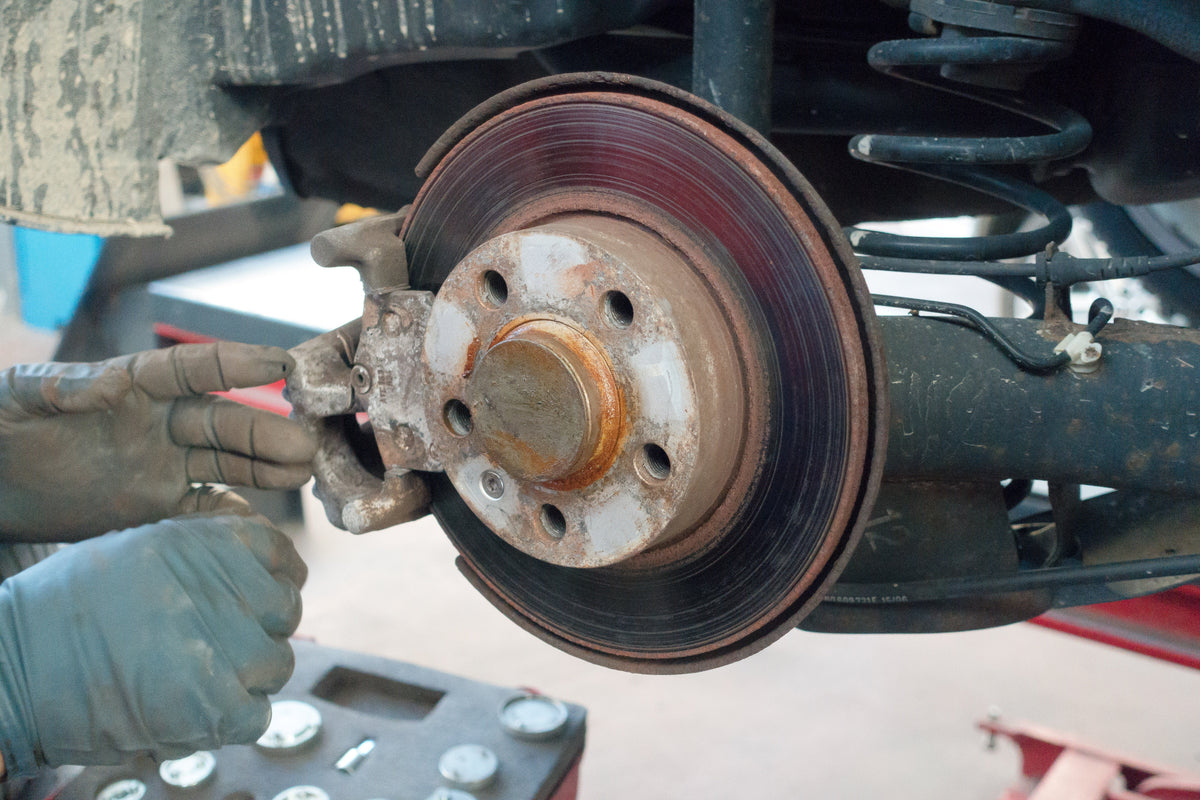
The Hidden Cost of Corrosion in Braking Systems
Regenerative braking has transformed brake wear in EVs, but it's also created a new challenge: corrosion. Discover why brake pads are increasingly being replaced because of rust, not wear.
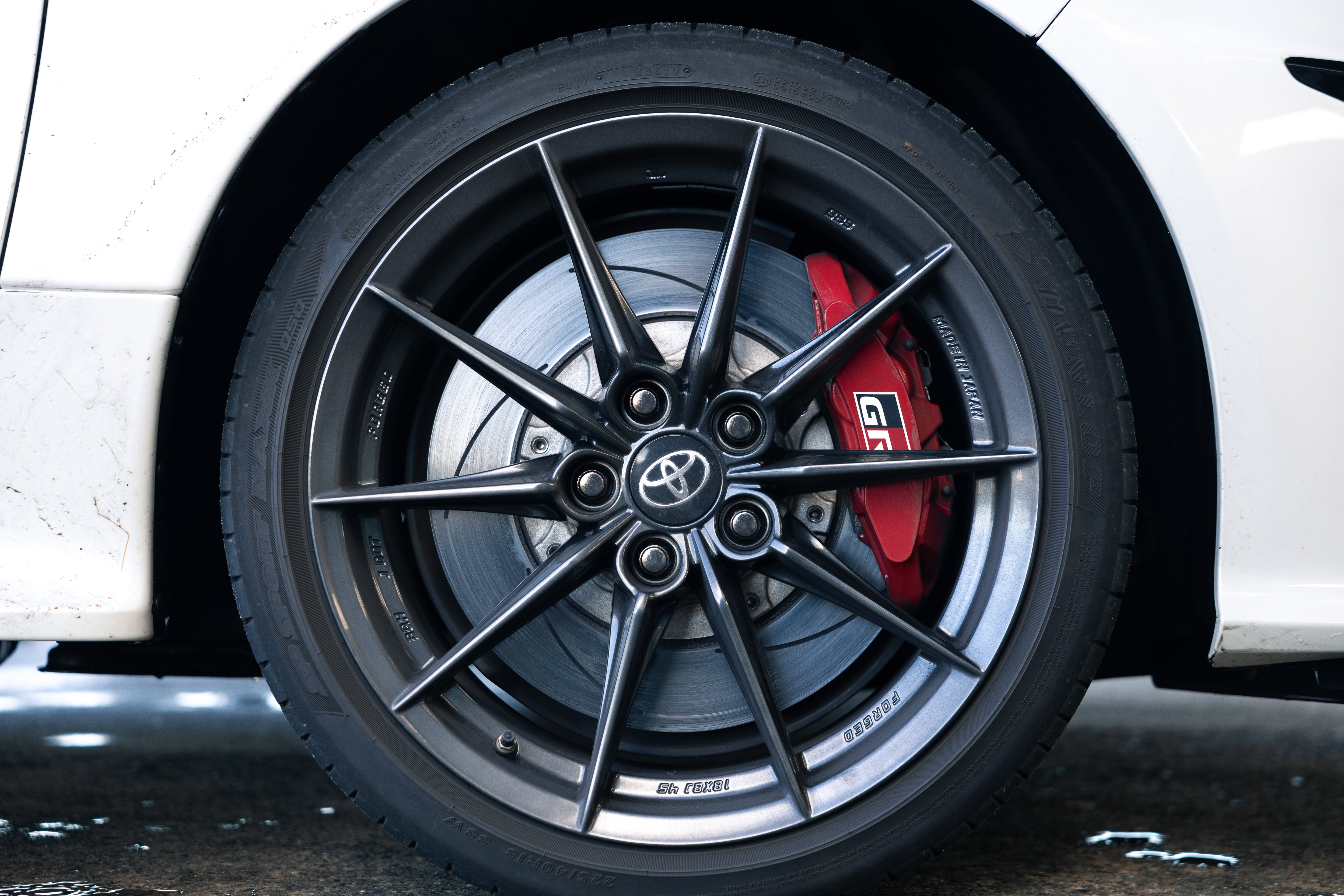
Dealing With Heat, so You can Go Faster
Brake heat is unavoidable, but where it goes determines whether your system performs or fails. Discover how composite brake pads help keep heat in the disc and away from critical brake component...

Brake Pad Carbon Footprint: Composite vs Steel
Composite brake pads may seem carbon‑intensive - but lifecycle performance tells a different story. We explore emissions, weight and long-term impact.
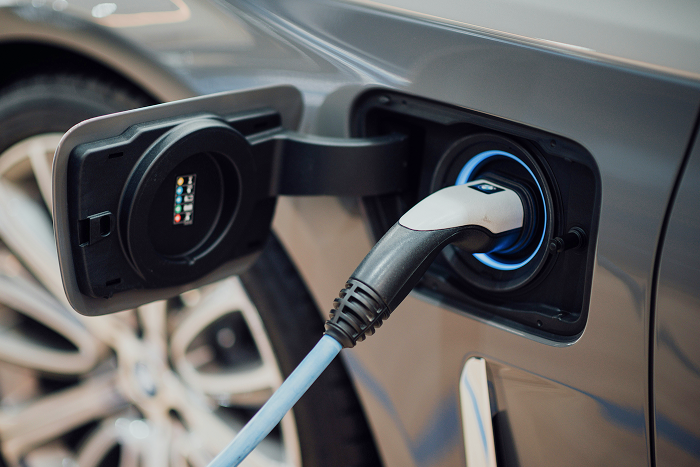
Why Composite Back Plates Are the Future of Braking
Electric vehicles are heavier, quieter, and cleaner – but their brakes still rely on heavy steel backing plates. We explore why composite brake pads make sense for EV braking systems, and how metal...
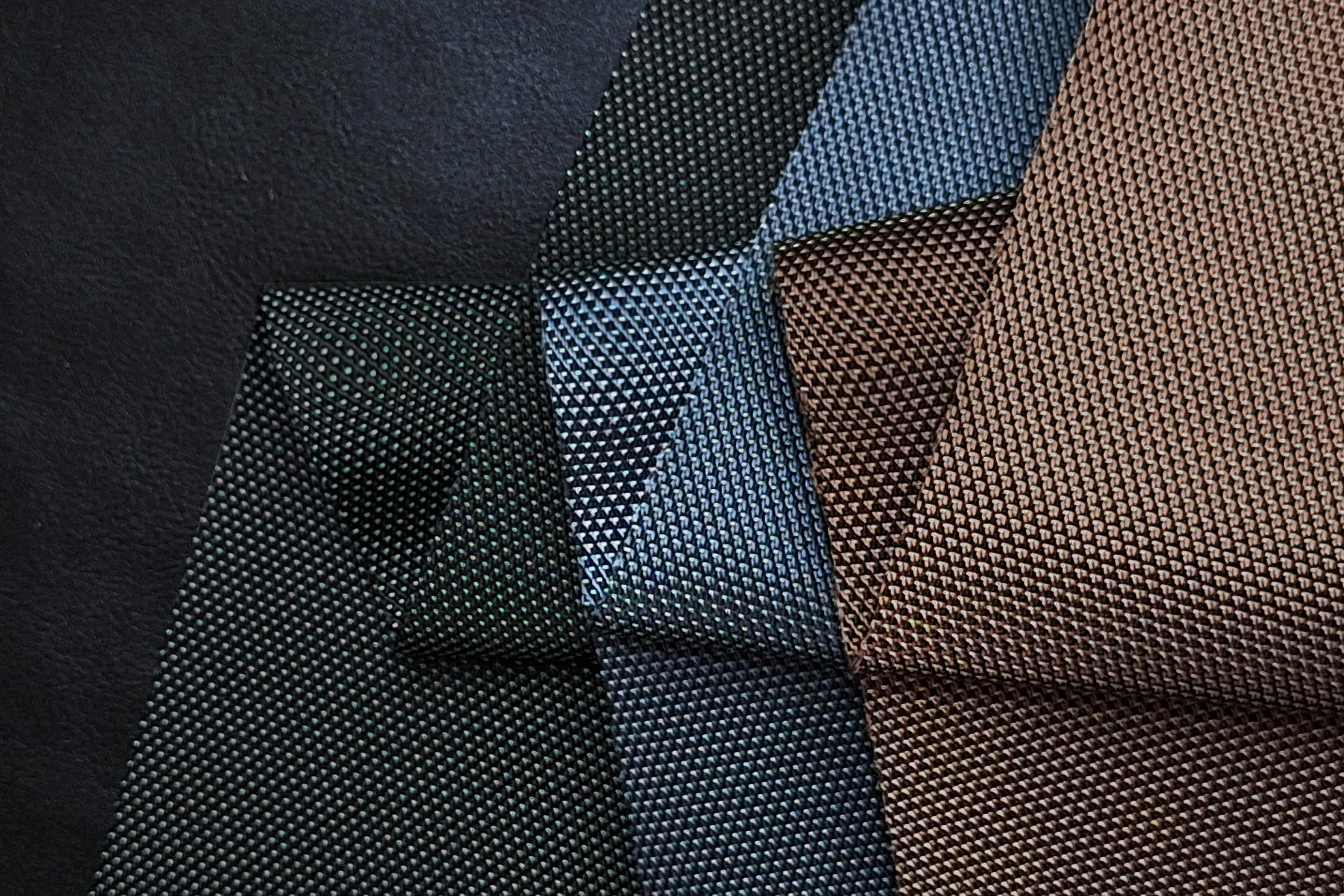
Material Science at the Limit: How Tribol Brake Pads Withstand Extreme Braking
Behind every Tribol brake pad is a carefully engineered composite system. We explain how fibres, resins and structure define performance.

Carbon Ceramic vs. Cast Iron Brake Discs
Carbon ceramic brakes are lighter and exotic - but do they actually manage heat better? We cut through the marketing and explain the science.
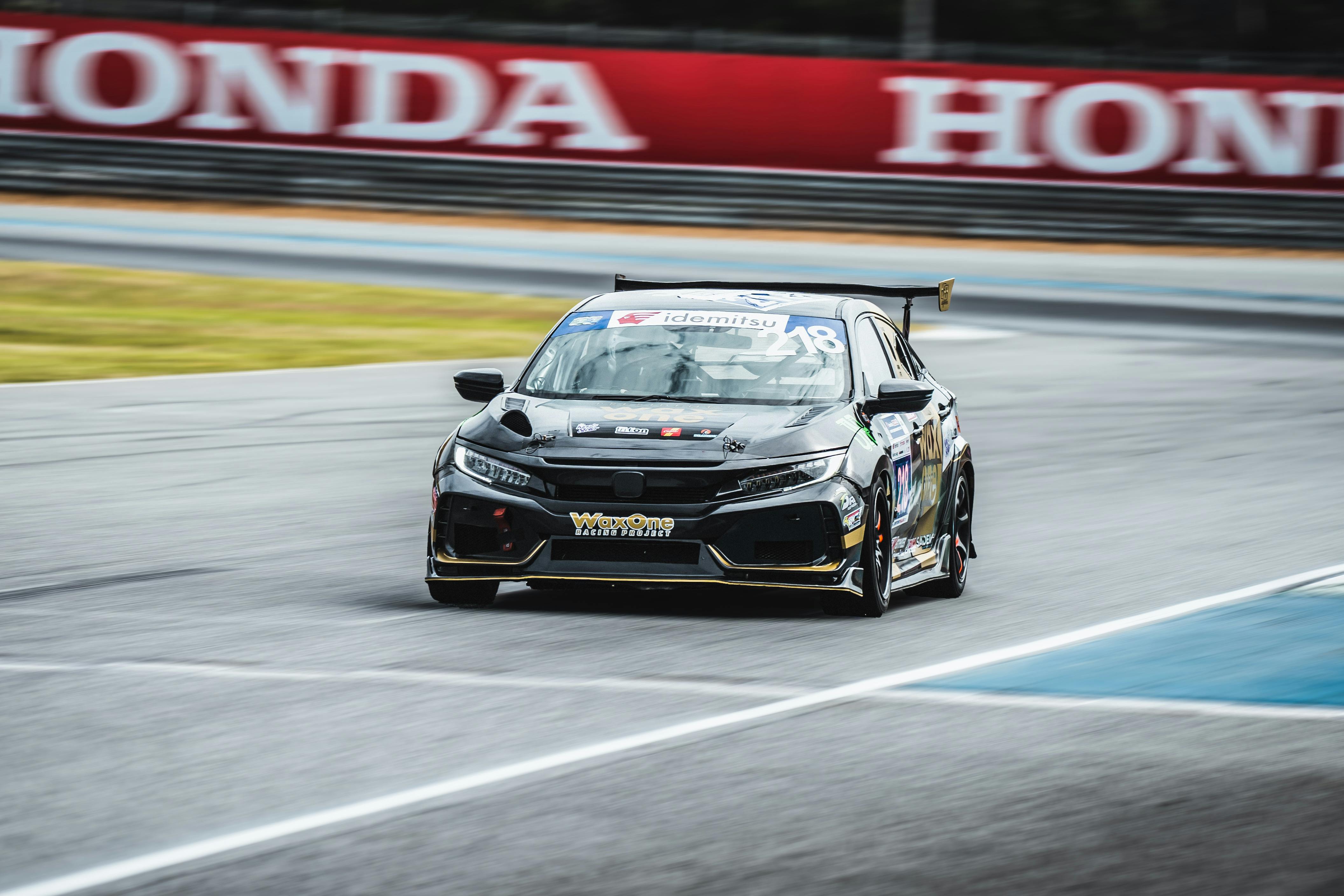
Why Does the Civic Type R Need ColdForge Pads?
FL5 Civic Type R brakes are advanced — but heat buildup is catching many drivers out. We explore why it happens and how smarter pad tech can help.

Why Does the GR Yaris Need ColdForge Brake Pads?
The GR Yaris is built for spirited driving, but brake heat can quickly become a weak link. We explain why it happens and how to fix it properly.

We closed the track and pushed our ColdForge CF‑3 brake pads across 300+ laps. Here’s what happened when theory met real-world testing.