

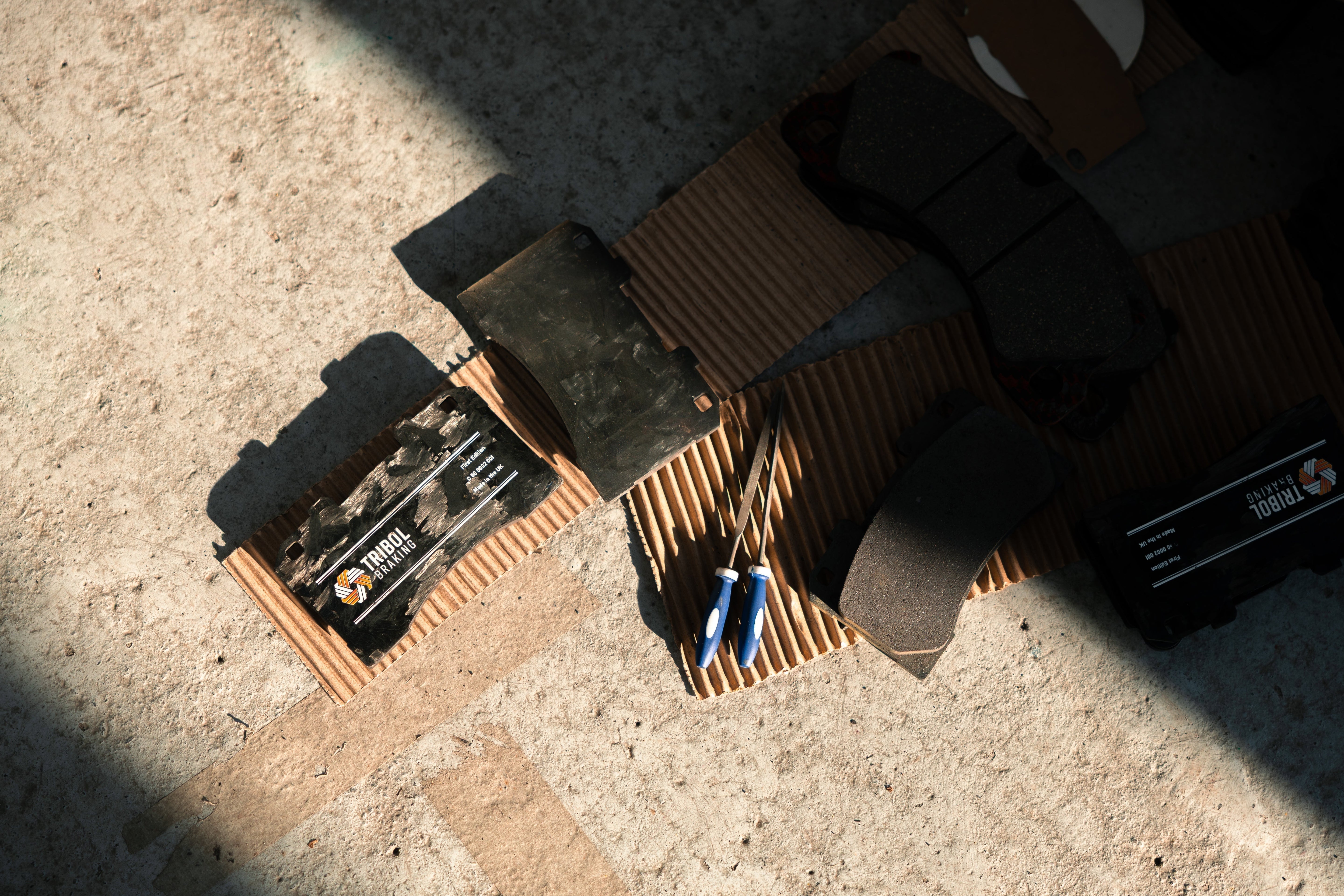
What Friction Compound does Tribol Braking Use?
Organic, sintered or semi‑metallic — brake pad compounds matter more than you think. Here’s how each type performs and why choosing wisely matters.
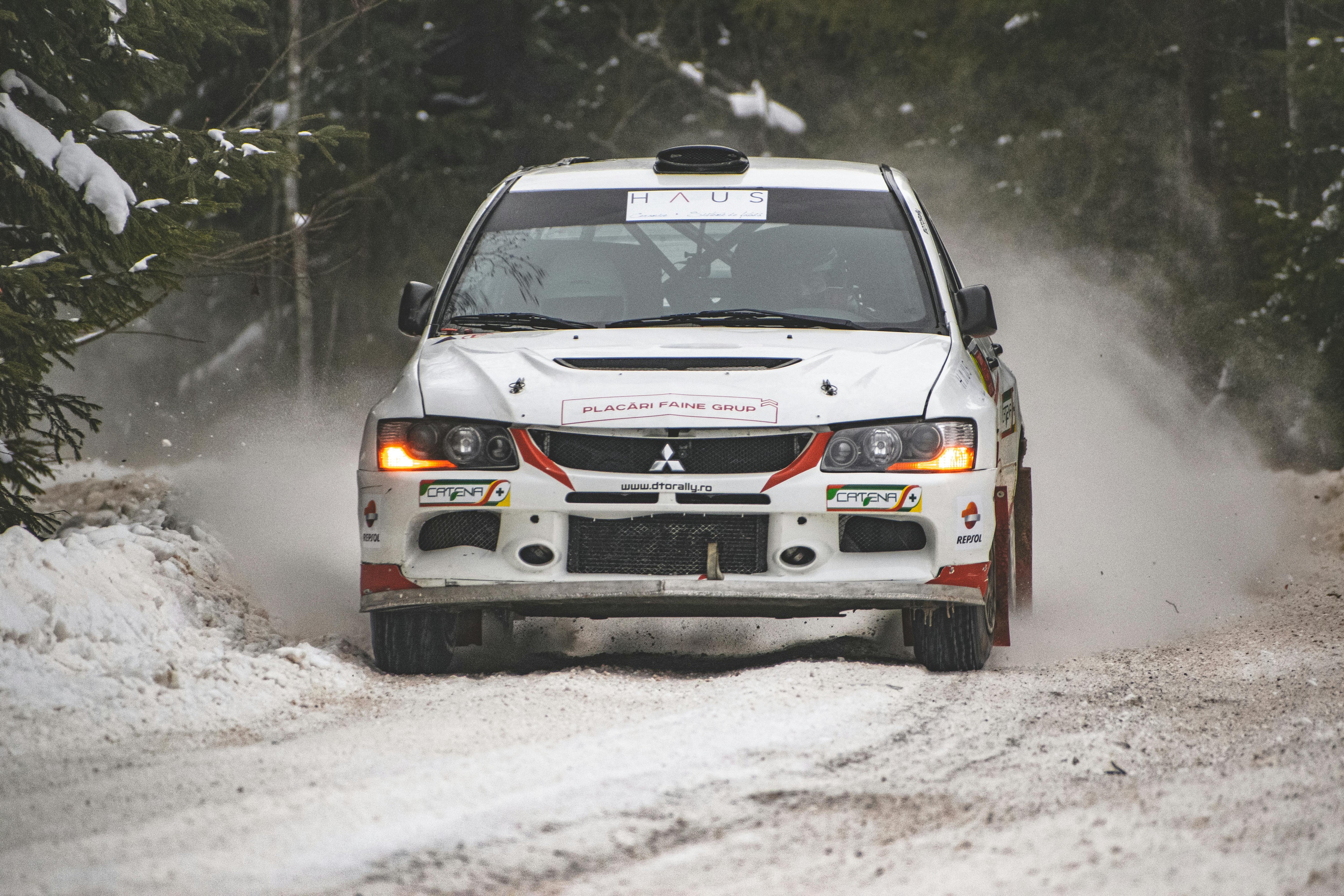
Why Does the Lancer Evo Need ColdForge Brake Pads?
The Lancer Evo remains a track icon, but OEM brake pads often fall short. We explore why heat causes fade — and how to fix it properly.

Sprung vs Unsprung Mass: Why It Matters for Grip & Braking
Unsprung mass plays a huge role in grip, braking and suspension response. We explain why weight location matters more than weight itself.
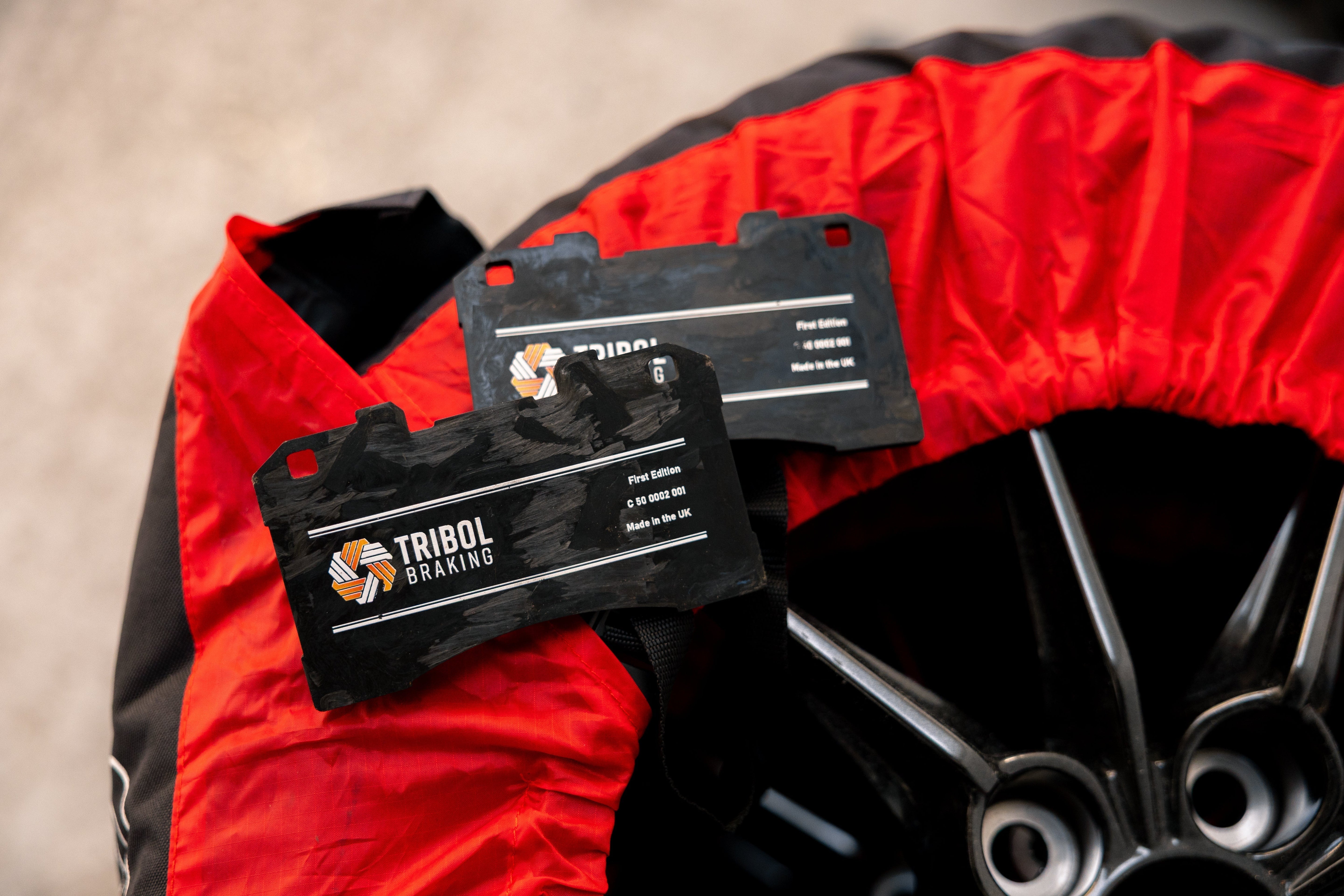
Our First Three Pad References, and Why we Chose Them
We explain why Tribol’s first brake pad release focuses on three key shapes — and how they represent today’s most popular track platforms.

We explore how Tribol's composite backplates are reshaping brake performance — reducing weight, managing heat, and setting a new standard for motorsport braking.

Weight: Why Should It Matter to You?
Reducing the weight of your car is one of the most effective ways to improve performance on track. Less mass improves acceleration, braking, cornering speed, handling, and thermal behaviour.
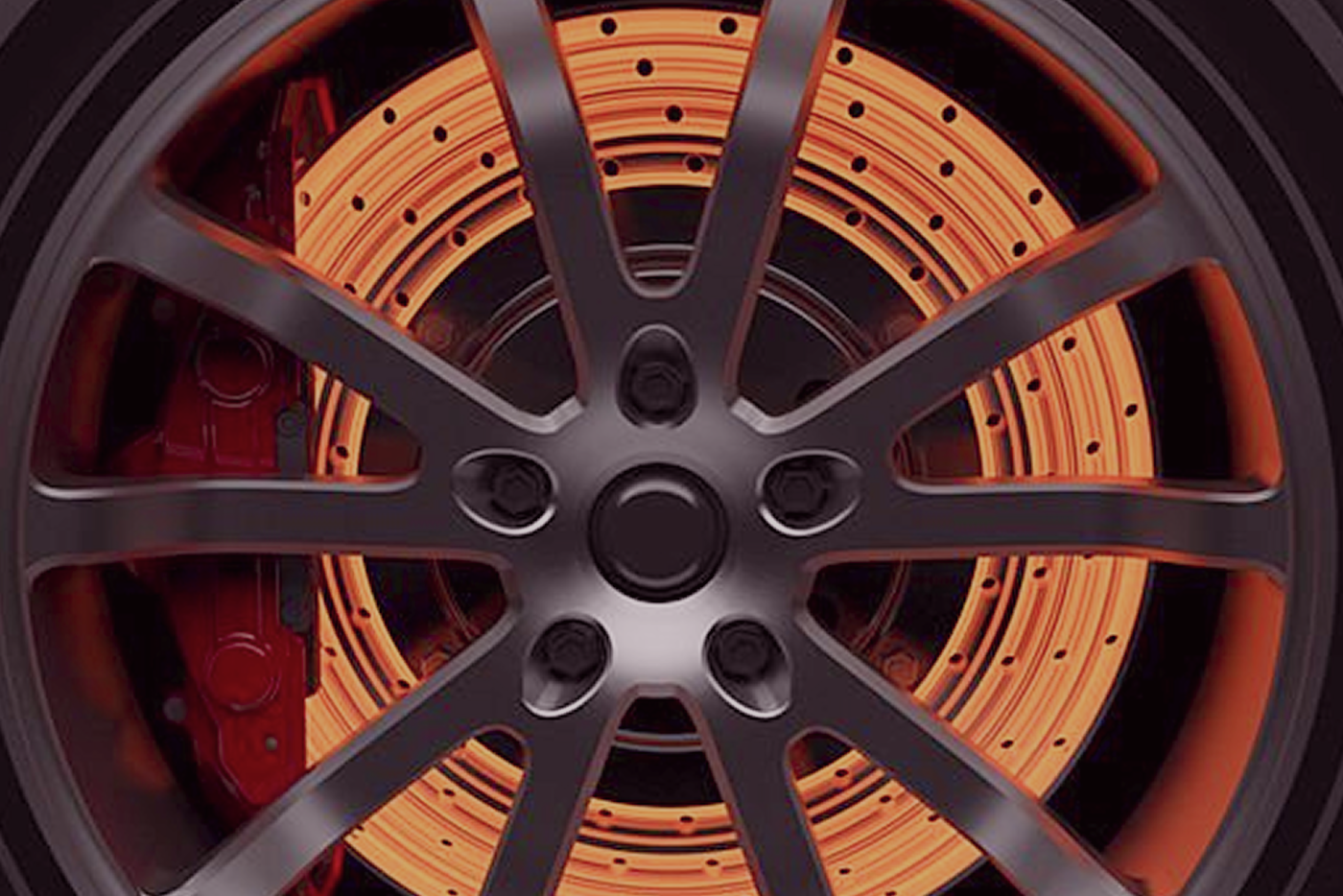
Brake Heat Explained: Preventing Fade and Fluid Boil
Excessive heat is the enemy of braking performance. Learn how brake fade and fluid boil occur – and how Tribol Braking keeps heat where it belongs.
What Are Tribol Brake Pads Made From?
Tribol Braking re-engineered carbon fibre composites to survive extreme braking heat. Learn how our carbon fibre brake pads deliver lighter weight and consistent performance on track.
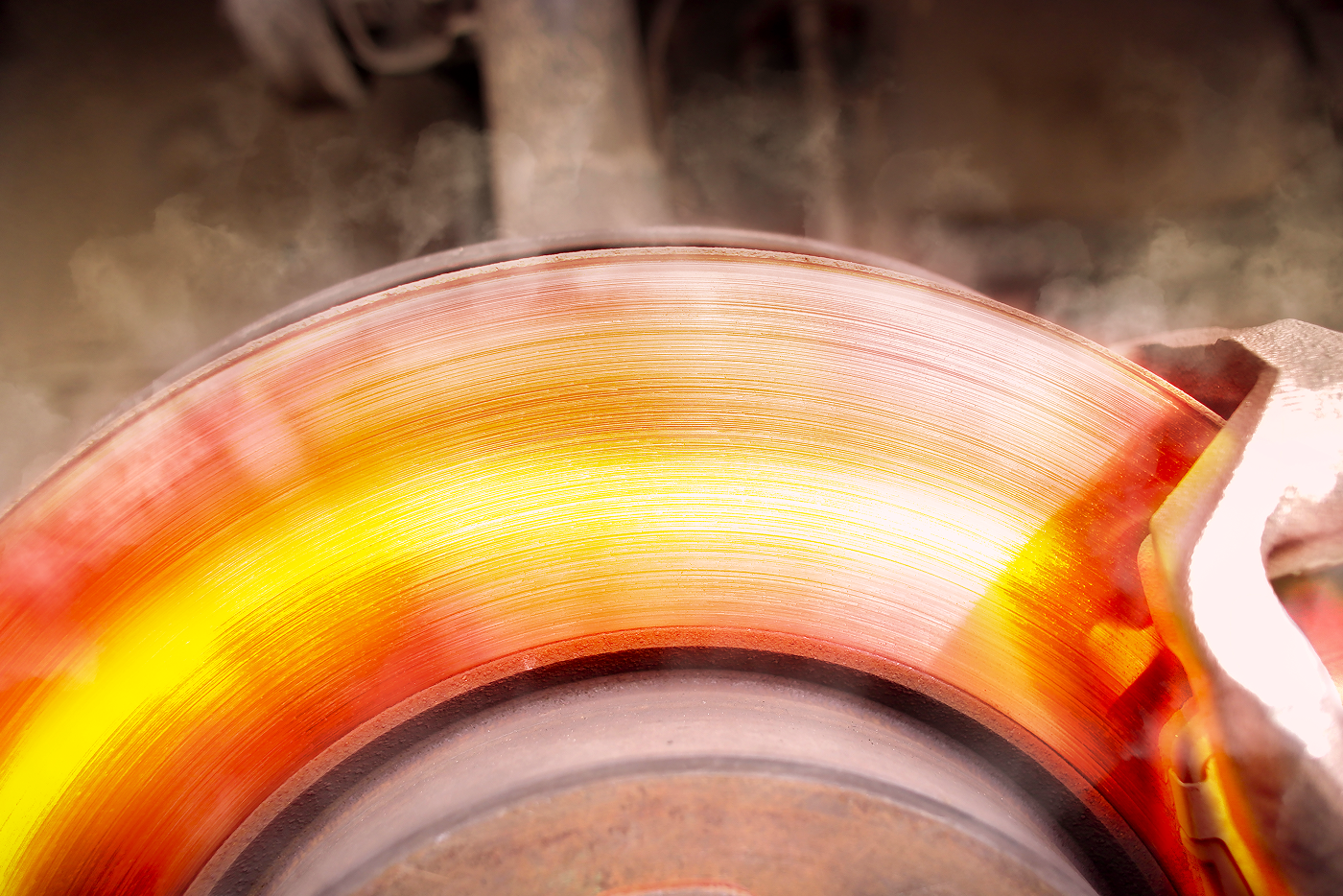
From dyno testing at 900°C to real-world track validation, discover how Tribol Braking proves its composite brake pads deliver consistent, confidence-inspiring performance.