
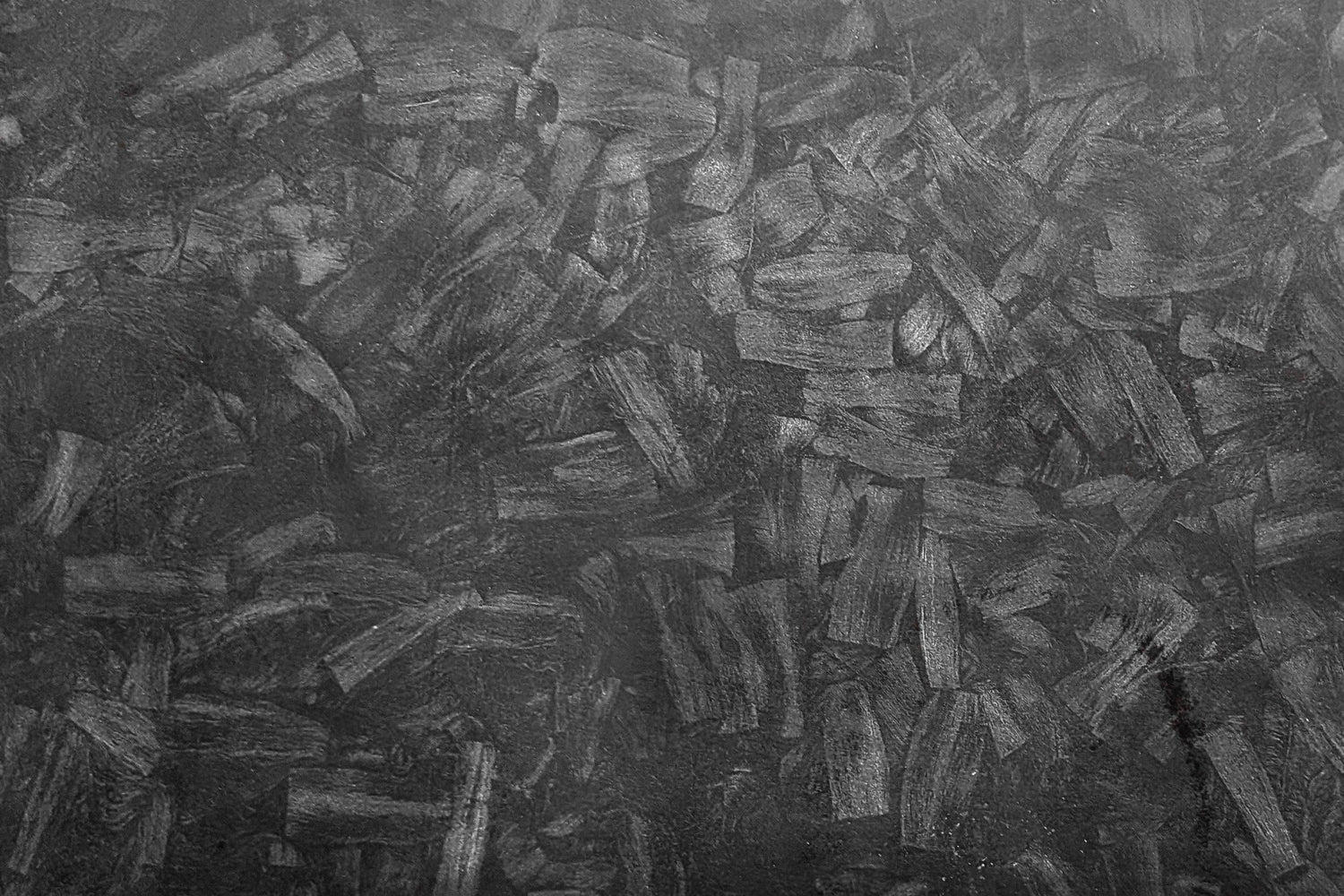
Carbon Fibre Composite Materials Built for Extreme Braking
If you’re looking to save weight, carbon fibre composites are an obvious place to start. They’re already trusted across motorsport, aerospace, and high-performance engineering.
While complex, costly Carbon Ceramics are common in brake discs, conventional carbon fibre composites have stayed away from brake pads. This is for two simple reasons: cost, and, more importantly, performance at high temperature.

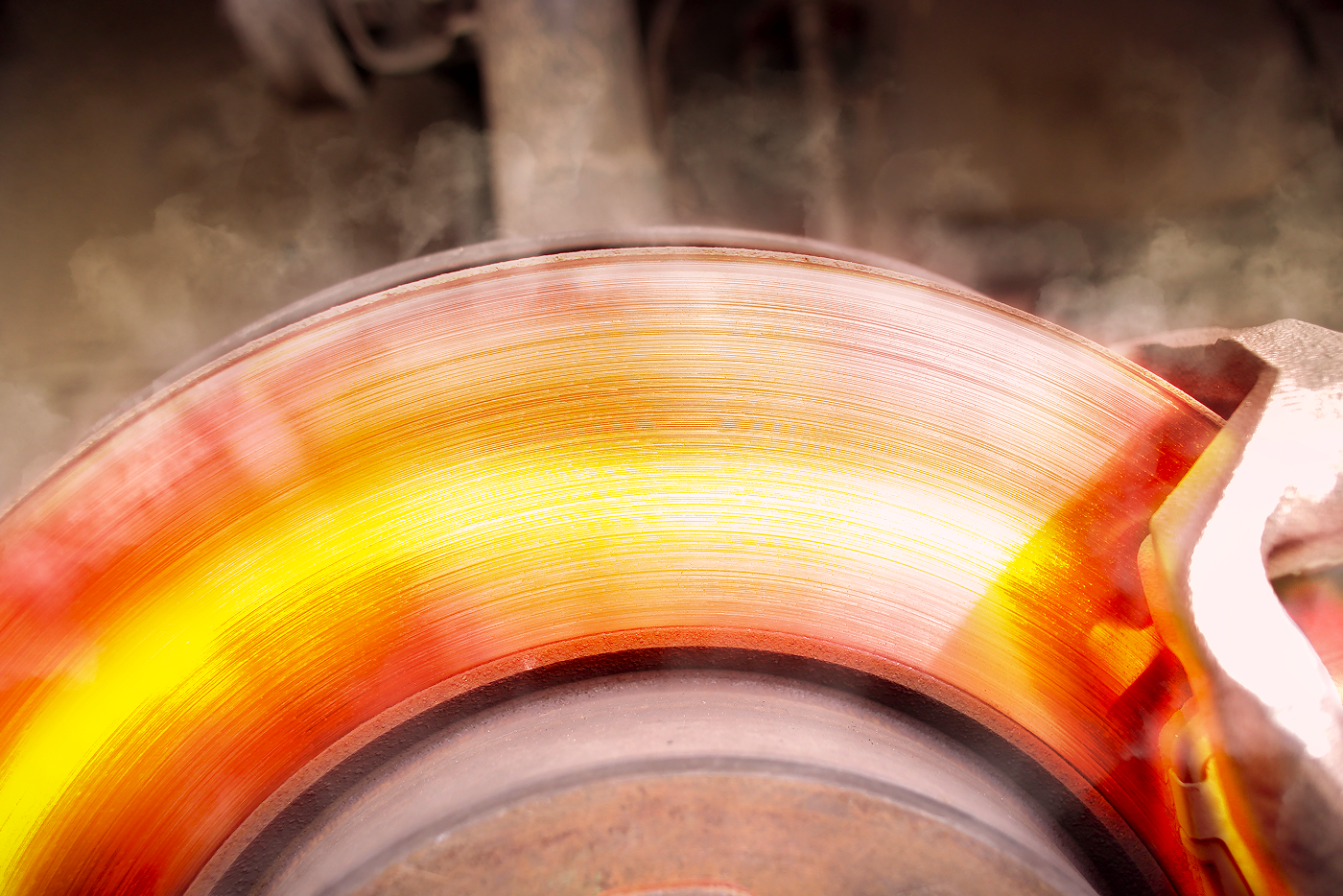
Traditional carbon fibre composites simply haven’t been able to survive the extreme heat generated during hard braking – which is why steel backing plates have remained the default mating for friction compounds, despite their weight and thermal drawbacks.
That’s exactly the problem Tribol Braking has set out to solve.
Why Conventional Composites Fail in Brakes
The weakness in traditional glass and carbon fibre composites lies in the epoxy resin matrix.
Most conventional composite systems have a glass transition temperature (Tg) of around 150°C. In simple terms, this is the temperature at which the resin transitions from being hard and “glassy” to soft and rubbery.
When this happens:
- The resin can no longer support the carbon fibres
- Composite stiffness drops rapidly
- The material becomes unsuitable for structural braking components
On track, these temperatures can be exceeded almost immediately.
This limitation is why carbon fibre composites - despite their advantages - have historically been unsuitable for brake pad backplates, where structural rigidity is crucial.
How Tribol Re-Engineered Carbon Fibre for Braking
Tribol Braking didn’t try to force conventional composites into braking, we re-engineered the system itself.
Our brake pads use advanced carbon fibre composite backplates built around high-temperature resin systems derived from ablative heat-shield technology, originally developed for space vehicle re-entry.

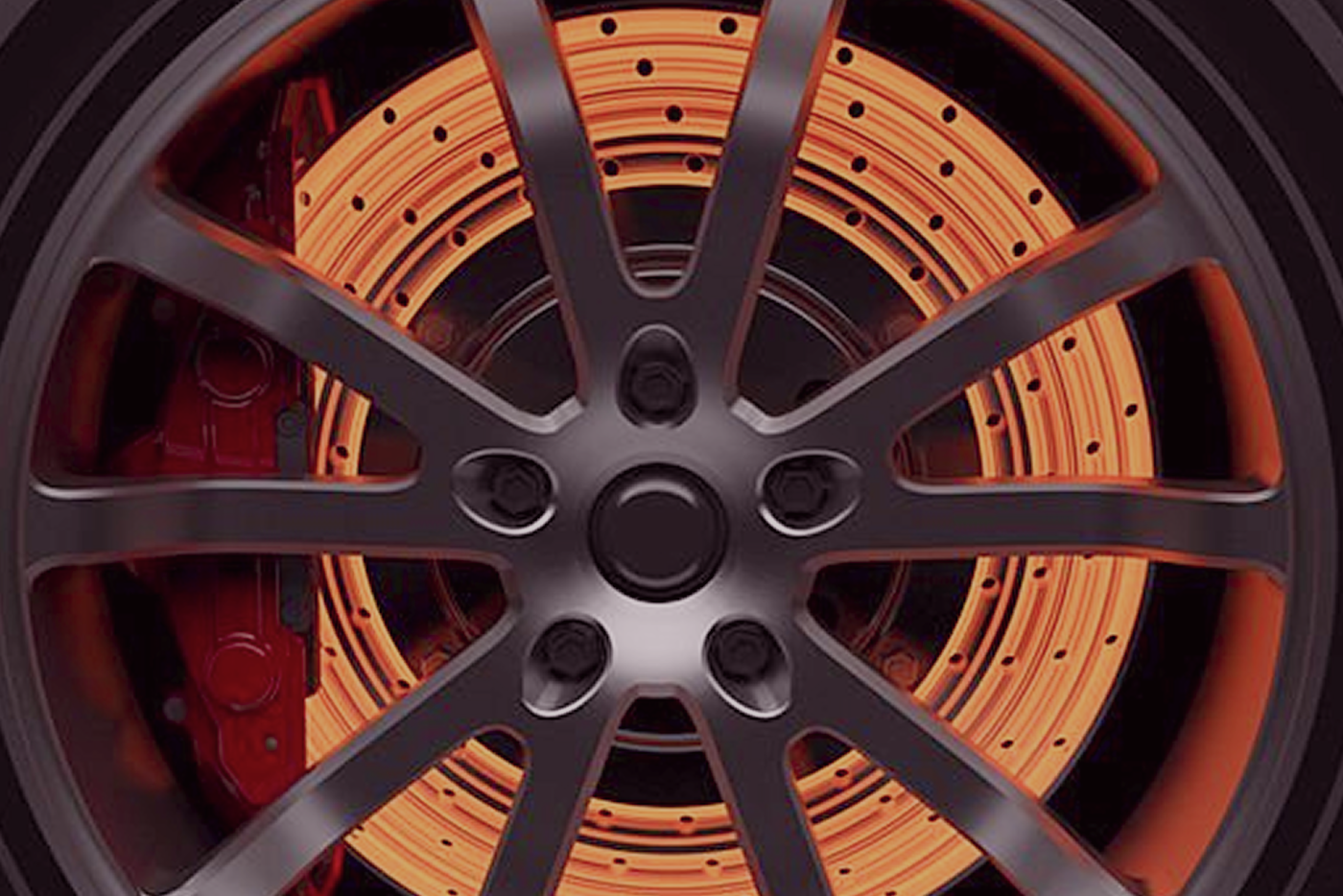
Combined with our own patented material innovations, this results in a composite with a glass transition temperature high enough that the backplate maintains stiffness even when disc temperatures exceed 900°C.
That means:
- Stiffness retained under extreme heat
- No softening or loss of structural integrity
- Consistent pedal feel when braking at the limit
Carbon Fibre Performance Without Carbon-Ceramic Cost
Importantly, we have achieved this without the cost or complexity of carbon-ceramic braking systems.
By using a targeted mixture of carbon and glass fibre reinforcement, stiffness is delivered exactly where it’s needed – optimising strength, weight, and thermal performance.
The result is a brake pad that:
- Is dramatically lighter than steel-backed pads
- Substantially reduces heat transfer into the caliper
- Maintains braking consistency under repeated heavy stops
- Delivers premium performance without supercar pricing
This is carbon fibre braking, engineered for real-world track drivers and performance enthusiasts.
Sign up now for exclusive early access.
About the Author

Dr Sam Erland
CEO & Co-founder, Tribol Braking
Dr Sam Erland is the CEO and Co-founder of Tribol Braking. With over a decade of experience in the composites industry, Sam has worked across both aerospace and automotive sectors, specialising in the practical challenges of manufacturing advanced composite materials at scale.
His background sits at the intersection of materials engineering and real-world application – bridging the gap between what composites can do in theory and what they can deliver in demanding environments.
That focus ultimately led to the creation of Tribol Braking, where Sam applies his expertise to bringing high-performance composite solutions into braking systems – an area long dominated by conventional steel.

Leave a comment
All comments are moderated before being published.
This site is protected by hCaptcha and the hCaptcha Privacy Policy and Terms of Service apply.