
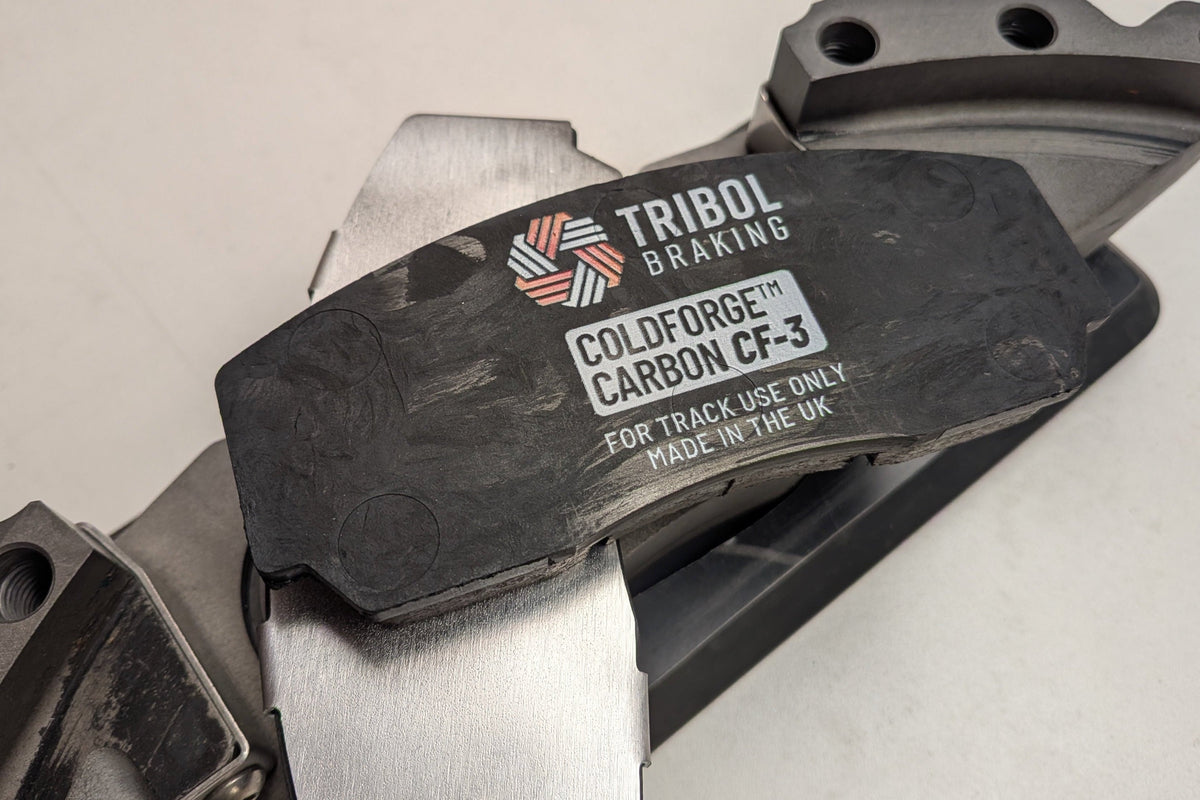
Composite brake pads deliver major benefits, but they interact differently with traditional caliper designs. Discover why steel shims remain an important part of achieving consistent performance a...
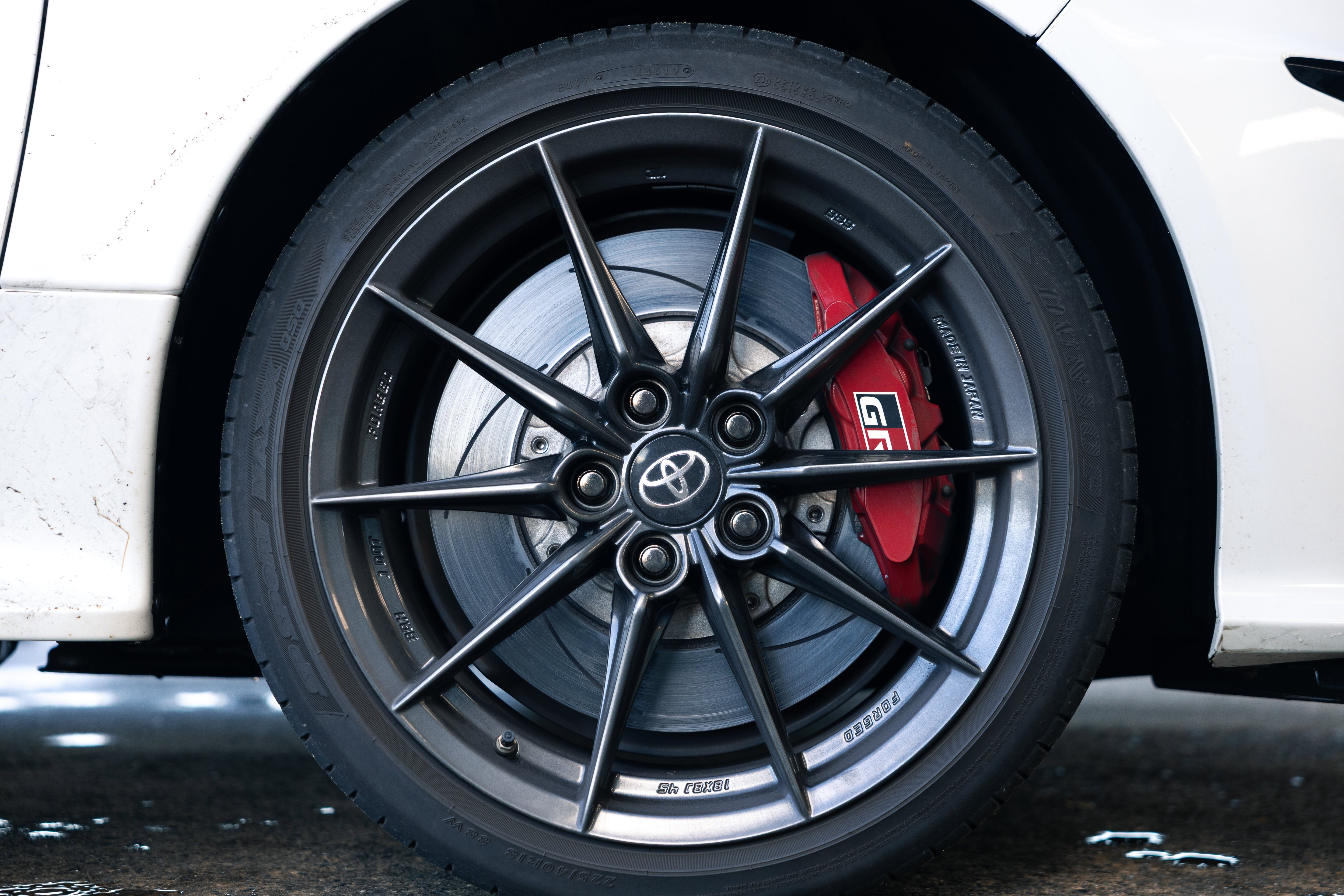
Dealing With Heat, so You can Go Faster
Brake heat is unavoidable, but where it goes determines whether your system performs or fails. Discover how composite brake pads help keep heat in the disc and away from critical brake component...
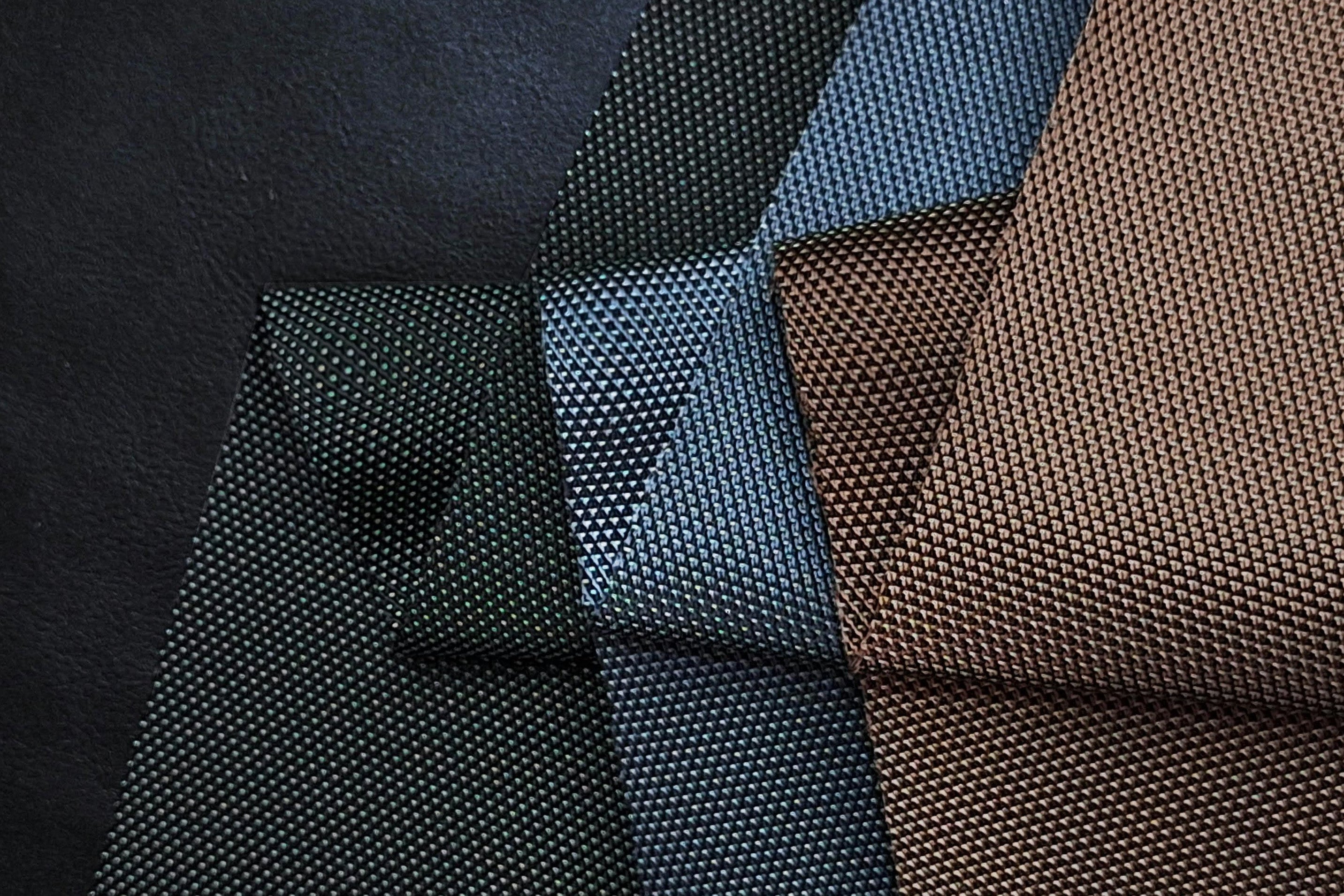
Material Science at the Limit: How Tribol Brake Pads Withstand Extreme Braking
Behind every Tribol brake pad is a carefully engineered composite system. We explain how fibres, resins and structure define performance.

What Friction Compound does Tribol Braking Use?
Organic, sintered or semi‑metallic — brake pad compounds matter more than you think. Here’s how each type performs and why choosing wisely matters.

Sprung vs Unsprung Mass: Why It Matters for Grip & Braking
Unsprung mass plays a huge role in grip, braking and suspension response. We explain why weight location matters more than weight itself.
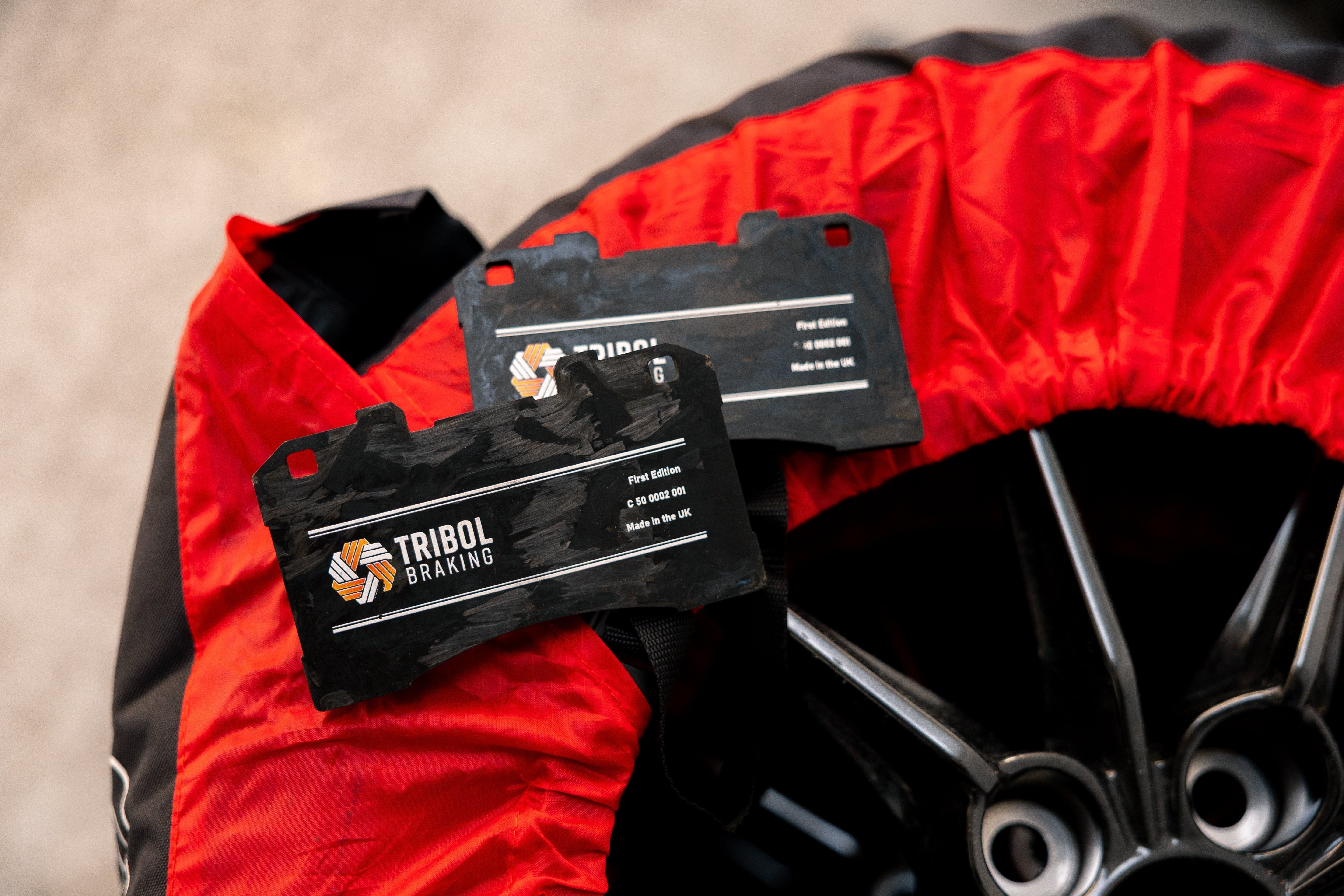
Our First Three Pad References, and Why we Chose Them
We explain why Tribol’s first brake pad release focuses on three key shapes — and how they represent today’s most popular track platforms.